
When you are escaping to your vacation home or pulling into your driveway at the end of a busy day, what are you looking forward to most? It probably isn’t a long list of chores and home maintenance.
That is why Turkel Design homes are built and clad with high-quality materials that are meant to last. When selecting the right finishes for your home, here are some of the factors we consider to help reduce the time and expense of maintenance:
- using materials that are appropriate for the climate and weather conditions of your site
- using the design of the house to shield more sensitive materials from the sun and rain
- deploying natural materials selectively in areas where they can be both seen and experienced in close proximity
- placing materials that require more frequent maintenance in more easily accessible locations
If you are interested in lower-maintenance living, here are a few examples of how we have used the right materials in the right places to free our clients up to enjoy their homes more fully.
Choosing the right materials for your site conditions
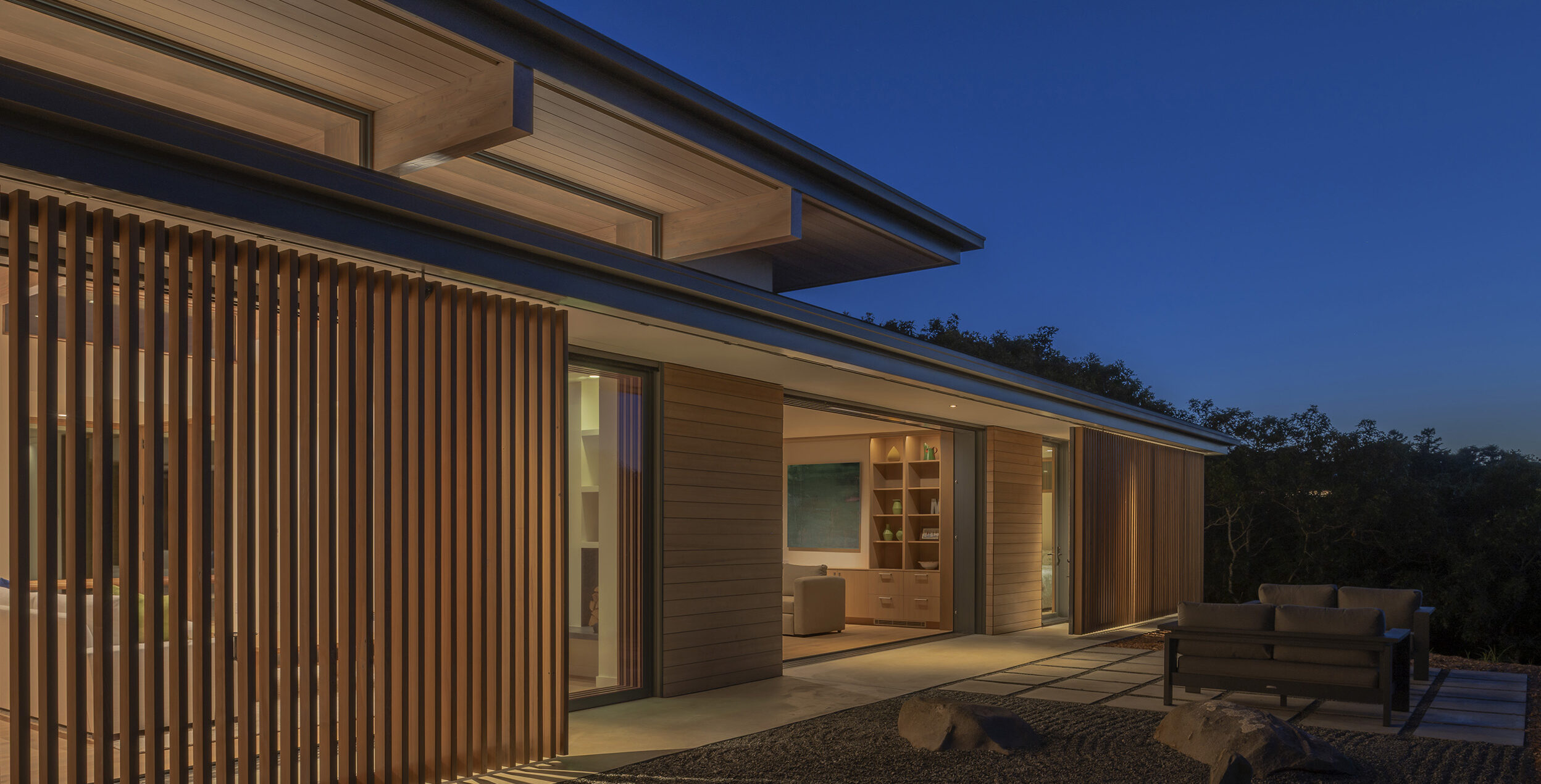
As an instance of high-quality, low-maintenance materials, take this house on Martha’s Vineyard. The custom slatted screens that slide across the view facade are made of hemlock (a wood with a handsome grain) that has been thermally modified. The heat of thermal treatment essentially bakes the wood, removing organic compounds from the wood cells. This process dramatically improves the durability and stability of the material, making it resistant to rot, fungi, and insects—a real advantage in a seaside climate where the air is humid with salt spray.
Salt spray is also notoriously corrosive, so the outer faces of the home’s window frames are clad in aluminum that is treated with an industrial-strength resin-based coating system—a finish we use in all our houses.
Using the right materials in the right locations
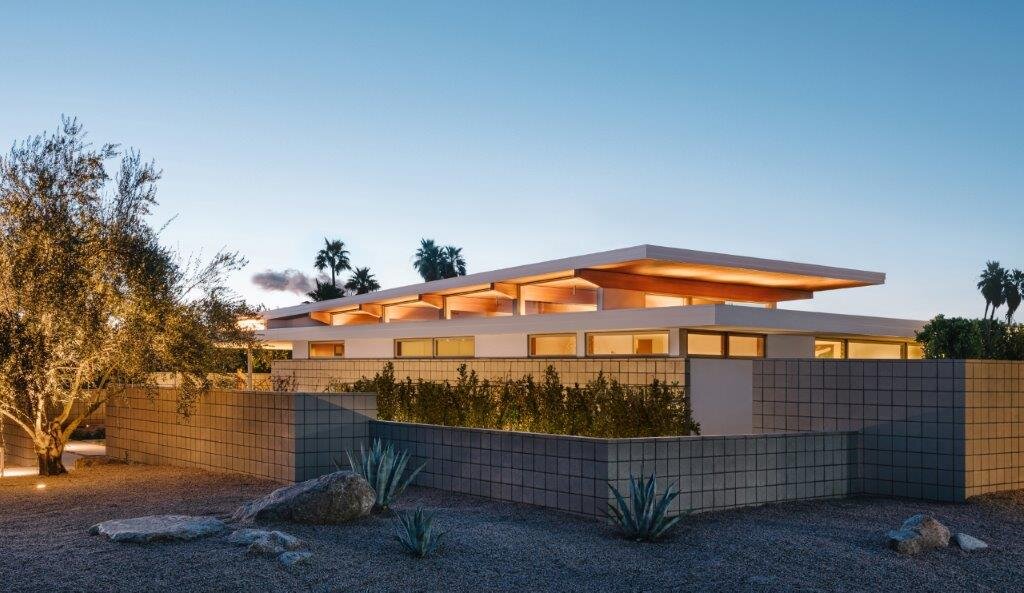
Desert House is a project that allowed us to test ideas about design and low-maintenance exterior finishes—in this case, materials suited to the hot and dry conditions of Palm Springs, California.
On the street side of the house, stacked concrete blocks serve multiple site-specific purposes. They retain the heat of the day into the chill of the night, muffle street noise, and provide a durable surface for the creeping jasmine.
On the south-facing patio side, white stucco is another material that’s well-suited to the desert environment. It reflects the sun while helping to keep the home cool during hot summer days.
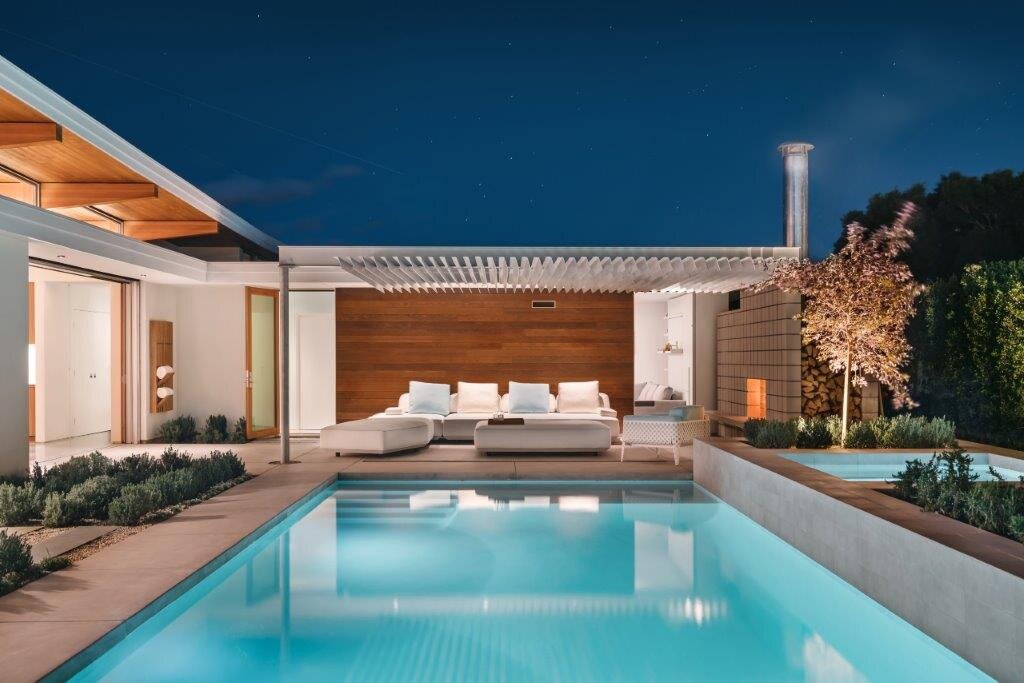
We also backed up an outdoor living space with a wall of warm-toned wood—in this case, thermally treated birch. Birchwood isn’t usually associated with desert climates, but when thermally treated and shaded from the sun by an overhead pergola, receiving direct rays only at sunset, it holds up well.
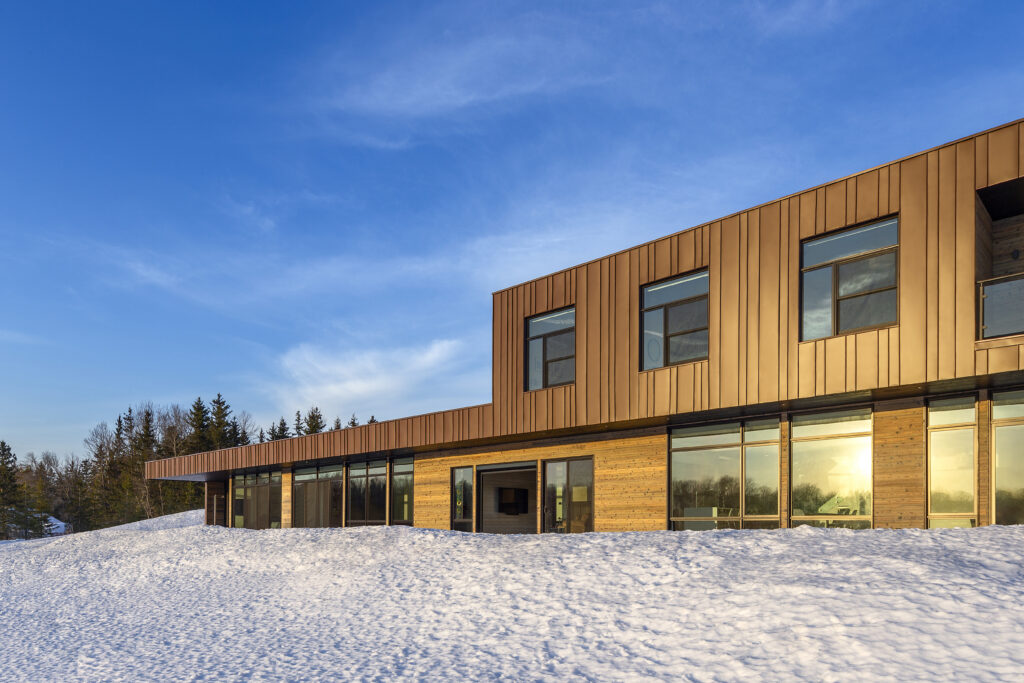
In a far different climate condition from Palm Springs, at this family home in Ontario, the cladding materials on the upper level provide a layer of protection to the exterior of the level below. This far north, the weather can swing between extremes, so the upper story, clad in maintenance-free standing-seam metal, overhangs the lower story and protects its cedar siding from rain and snow.
A carefully designed home can be both easier to maintain and a delight to live in. If you see yourself in a beautiful custom home made of regionally appropriate materials that are both beautiful and durable, please contact us.

 English
  Français
  한국어
한국어  Español
  简体中文
简体中文