여러분은 아마도 다음을 잘 알고 계실 것입니다. 이익 자연광이 가득한 집은 에너지 절약에 도움이 될 뿐만 아니라 건강에도 여러모로 좋습니다(생체 리듬을 조절하고, 기분을 좋게 하며, 눈의 피로를 줄여줍니다). 자연광은 사물의 질감을 드러내고 주변 공간과 연결해 주는 놀라운 자원이지만, 실내로 들여올 때는 신중하게 조절해야 합니다. 자연광을 실내로 들일 때 우리가 염두에 두는 몇 가지 사항은 다음과 같습니다.
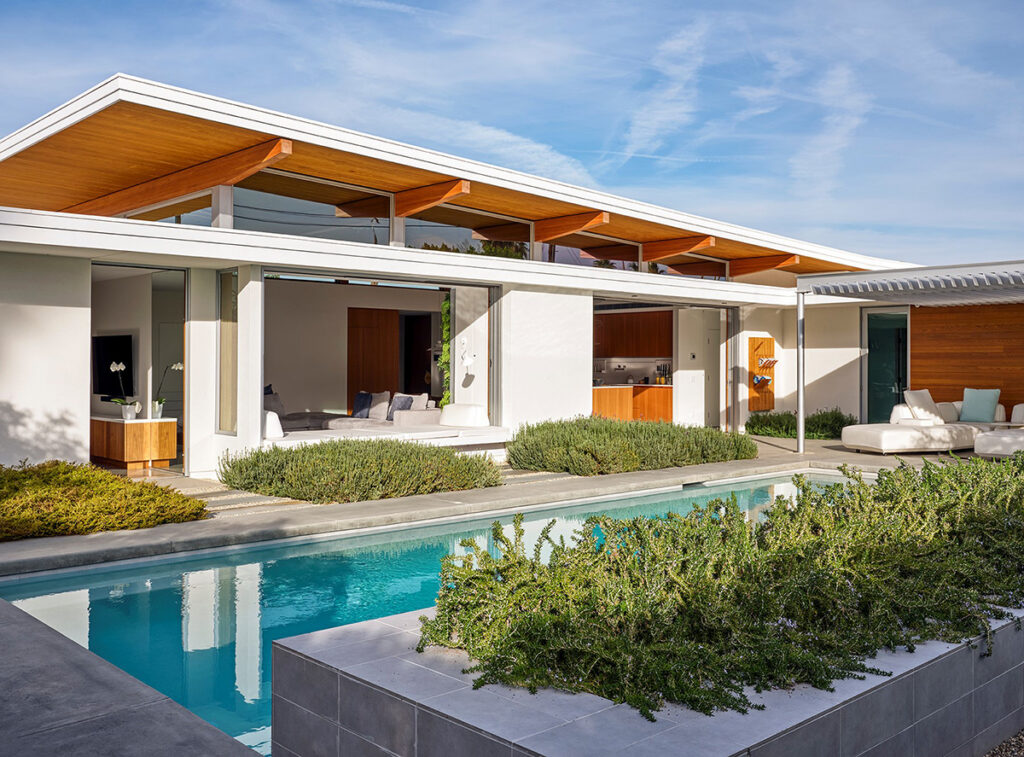
각도를 잘 활용하세요
에밀리 디킨슨의 유명한 시 중에 "어떤 비스듬한 빛의…그것은 억압적이다"라는 구절이 있습니다. 누구도 집 안에서 "억압적인" 빛을 원하지 않습니다. 그렇기 때문에 우리는 간접광을 활용하여 쾌적한 공간을 만드는 것입니다.
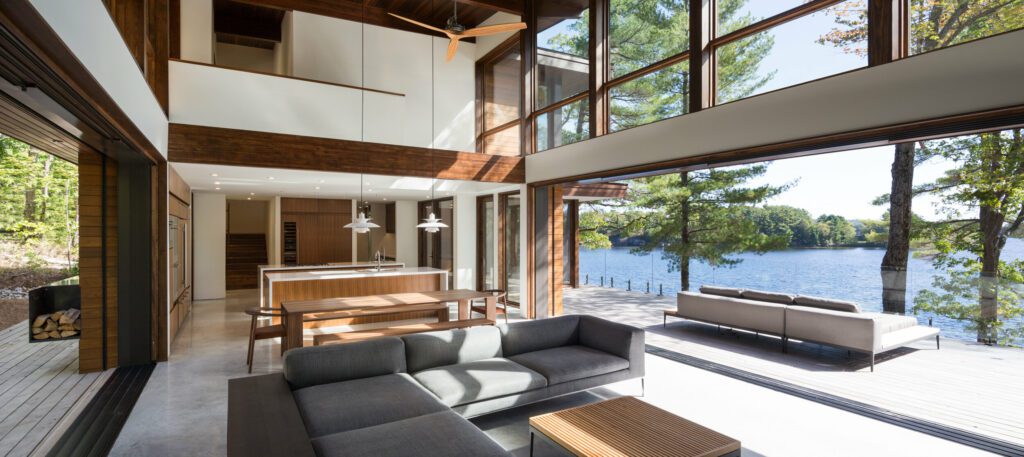
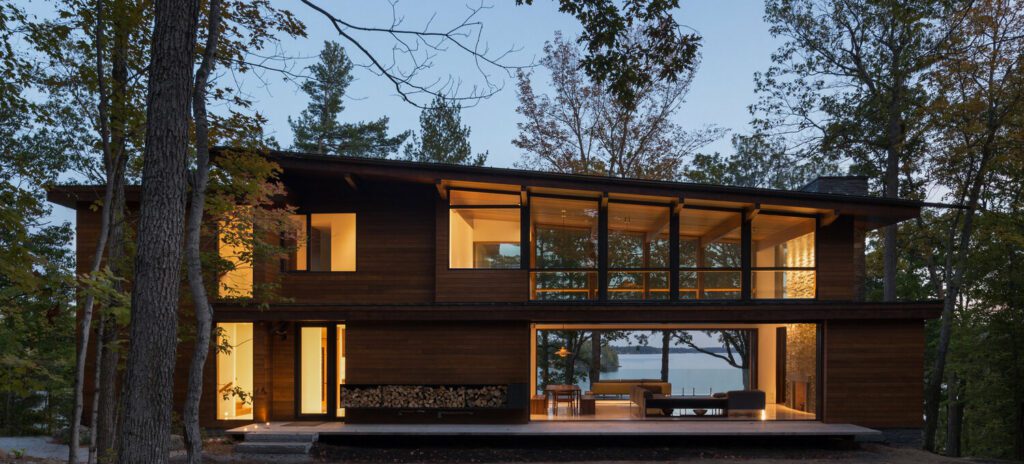
많은 주택들이 실내와 실외 생활 공간 사이에 자연스러운 경계를 만들어냅니다. 접이식 유리벽. 하지만 특정 시기에는 바닥에서 천장까지 이어지는 유리창에 직사광선이 직접 닿으면 매우 답답할 수 있습니다. 이를 방지하기 위해 저희는 주택의 위치와 방향을 고려하여 맞춤형 크기의 차양을 설계하여 유리창이 직사광선에 노출되지 않도록 가리고 과열을 방지합니다.
Turkel Design의 모든 프로젝트는 다음과 같은 내용을 포함하는 부지 분석으로 시작됩니다. 철저한 연구 일 년 내내 매일 태양의 위치를 파악하는 것이 중요합니다. 이를 통해 집을 대지 위에 어떻게 배치해야 햇빛을 최대한 활용할 수 있는지 알 수 있습니다. 즉, 필요할 때는 햇빛을 실내로 끌어들이고, 필요하지 않을 때는 햇빛을 차단할 수 있습니다.
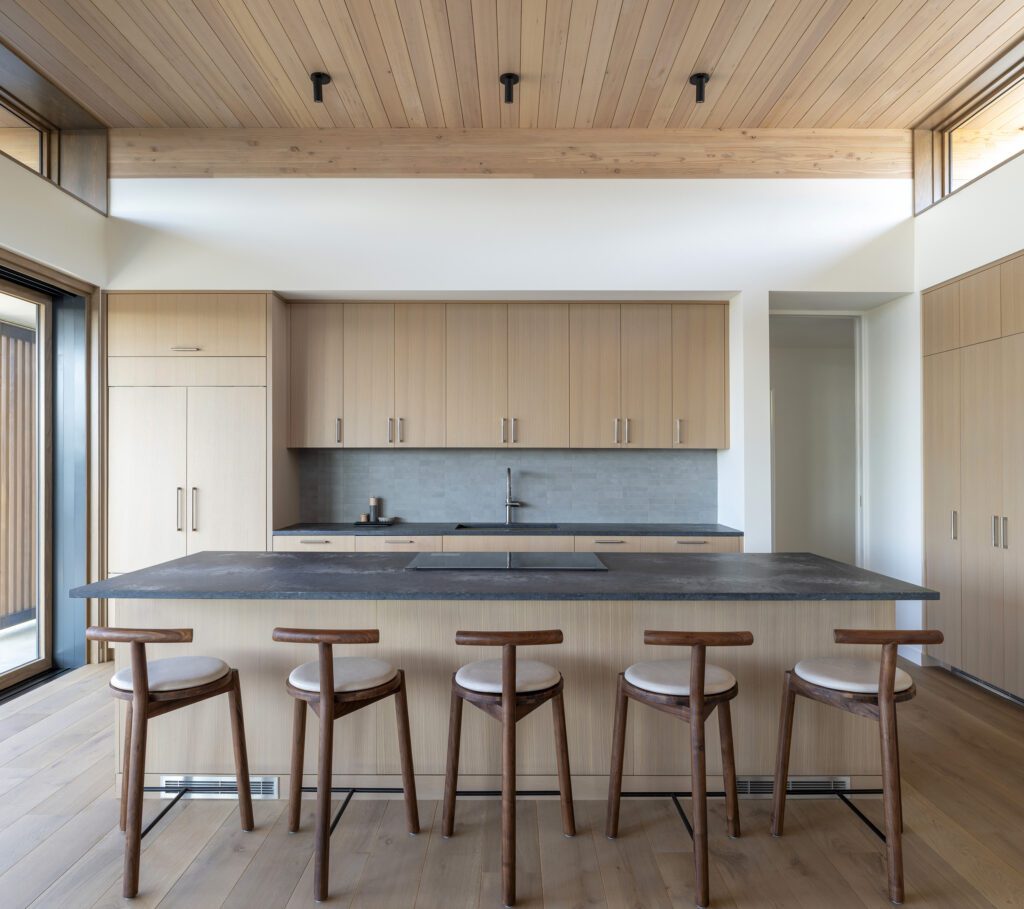
균형이 최선입니다
단일 광원은 눈부심을 유발하고 방의 균형을 깨뜨릴 수 있습니다. 집 전체에 조명의 이점이 고르게 분산되도록 각 공간에 균형 잡힌 조명을 설치합니다.
채광창은 특히 집의 유리 외관과 사생활 보호를 위한 출입구 외관이 대비를 이루는 경우, 개방형 거실에 빛을 들여오는 효과적인 방법입니다. 집 양쪽에 채광창을 설치하면 중간 높이의 지붕에서 반사된 자연광이 공간을 간접적으로 밝히면서도 적절한 수준의 사생활을 보호할 수 있습니다.
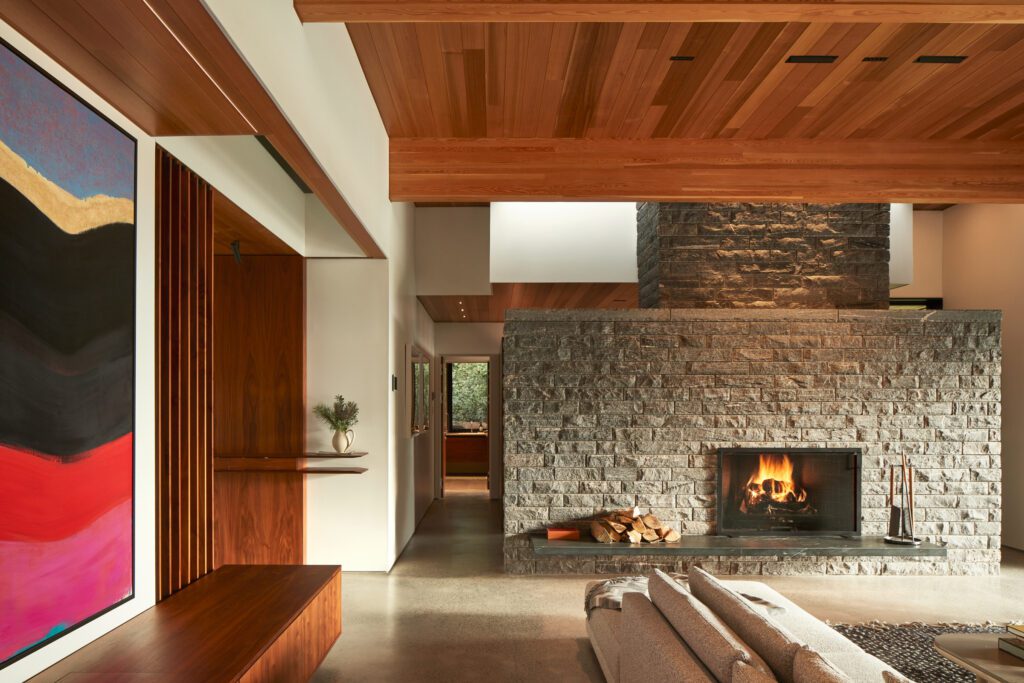
균형감을 이루는 또 다른 방법은 채광창을 설치하는 것입니다. 채광창은 벽면을 빛으로 가득 채워 집 안 깊숙한 곳까지 밝게 비춰줍니다. 위 사진 속 거실에서 채광창을 통해 돌로 된 벽난로의 아름다운 질감이 더욱 돋보이는 것을 확인할 수 있습니다.

기능을 잊지 마세요
집 안의 다양한 공간들은 각기 다른 용도를 가지고 있기 때문에, 어떤 공간은 자연광 유입에 더 적합하고 어떤 공간은 그렇지 않을 수 있습니다. 미디어룸이나 와인 저장고는 채광창이나 채광정에서 멀리 떨어진 곳에 위치하는 것이 가장 좋습니다. 하지만 다른 공간에서는 자연광이 방에 생기를 불어넣을 수 있습니다. 예를 들어, 위 사진에 보이는 아침 식사 공간은 큰 창문을 통해 보이는 초원을 비추는 아침 햇살을 최대한 받을 수 있도록 배치되어 있습니다.
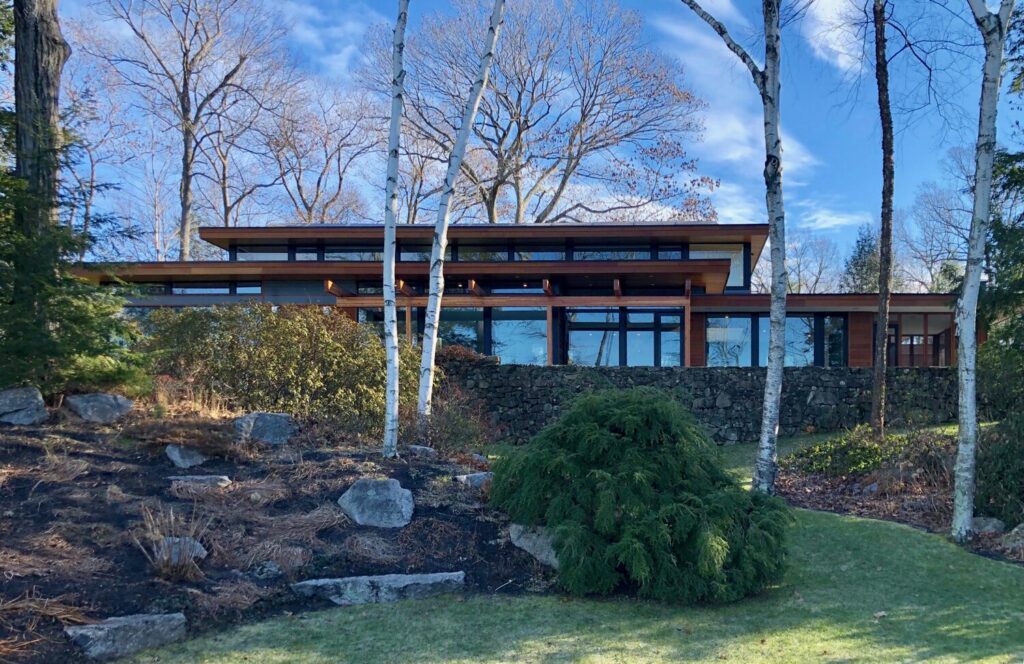
그 광원은 예상하셨겠지만, 채광창을 통해 균형을 이룹니다. 채광창은 하루 종일 다양한 방향에서 빛을 들여올 뿐만 아니라, 위층의 별도 공간인 스튜디오와도 연결되어 집주인이 여러 방향에서 영감을 얻을 수 있는 전망을 감상할 수 있도록 해줍니다. 시간대에 관계없이, 각 창문에 적절한 크기의 처마가 햇빛의 강도를 조절해 줍니다. 이렇게 따뜻하고 균형 잡힌 자연광이 어우러진 공간은 요가와 그림 그리기에 이상적인 환경을 제공합니다.

당신의 최고의 삶을 밝혀드립니다
터켈 디자인에서는 먼저 고객님의 라이프스타일을 파악한 후, 오랜 시간 검증된 디자인 전략을 활용하여 고객님만을 위한 맞춤형 건축물을 만들어냅니다.
문의하기 어떻게 살고 싶은지 논의하기 위해.
맨 위 사진은 밀리센트 하비, 두 번째 사진은 드레이퍼 화이트, 나머지 세 장의 사진은 막심 브루이예가 촬영했습니다.
 English
  Français
  한국어
한국어  Español
  简体中文
简体中文